How Atmospheric Conditions Shape the Reliability of Expert Forecasts for Tennis and Horse Racing Events
Written by Theo Krause · Sep 2, 2026
How Atmospheric Conditions Shape the Reliability of Expert Forecasts for Tennis and Horse Racing Events
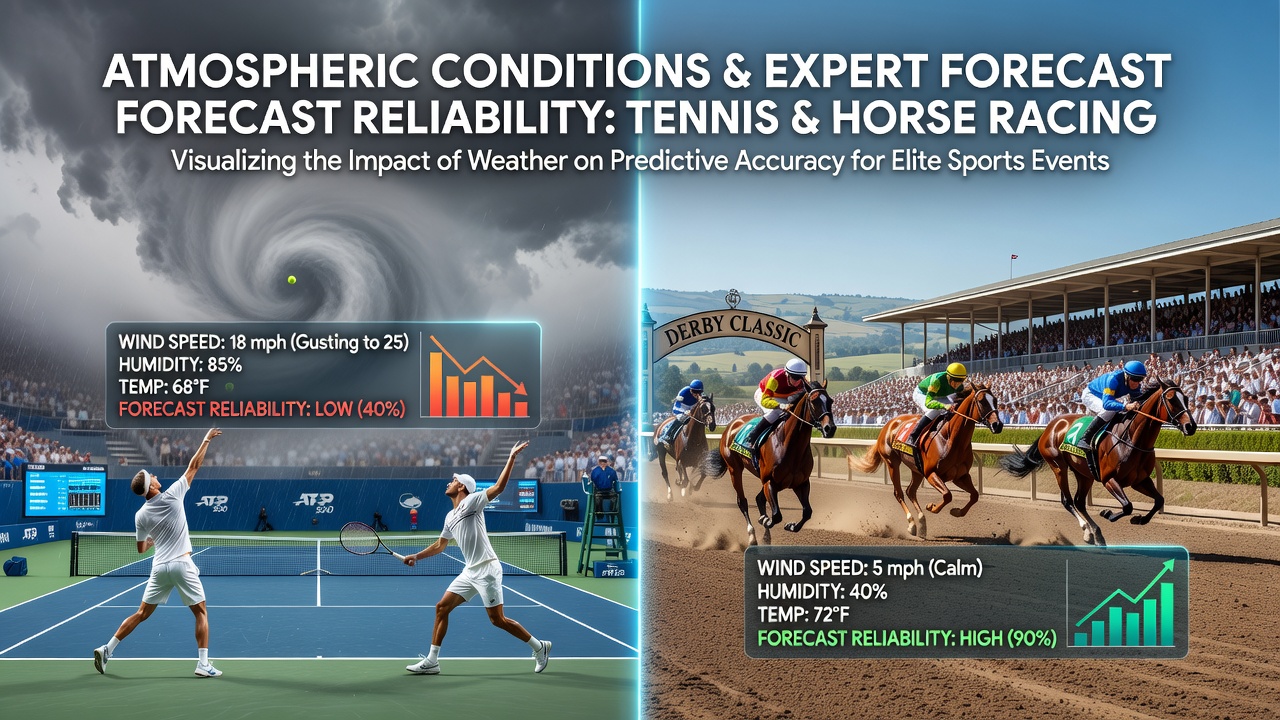
Atmospheric conditions exert measurable influence over the accuracy of forecasts in both tennis and horse racing, where variables such as temperature, humidity, wind speed, and barometric pressure alter ball trajectories, player endurance, track surfaces, and equine performance. Researchers at institutions including the Australian Bureau of Meteorology have documented these effects through long-term environmental monitoring programs that link weather data to sport-specific outcomes.
Key Atmospheric Variables in Tennis
Tennis matches depend on consistent ball flight and player movement, yet shifts in air density and moisture content change these dynamics in measurable ways. Higher humidity levels increase air resistance while simultaneously softening tennis balls, which reduces bounce height and speed according to laboratory tests conducted by sports science teams. Temperature swings affect muscle elasticity and recovery rates, with data from multiple Grand Slam venues showing elevated error rates when courtside conditions exceed 30 degrees Celsius combined with low wind.
Wind patterns introduce additional complexity because gusts disrupt serve placement and baseline rallies, particularly on exposed stadiums where crosswinds exceed 15 kilometers per hour. Forecasters incorporate real-time anemometer readings and pressure gradient models to adjust probability estimates for set durations and point-win percentages, since these factors directly modify the reliability of pre-match simulations.
Atmospheric Influences on Horse Racing
Horse racing surfaces respond rapidly to precipitation and temperature fluctuations, with turf tracks hardening or softening in ways that favor different running styles and alter expected finishing times. Studies compiled by the National Oceanic and Atmospheric Administration in the United States demonstrate that sudden drops in barometric pressure often precede rainfall that converts firm ground into yielding conditions, thereby shifting form assessments for distance specialists versus sprinters.
Wind direction and velocity further complicate forecasts because headwinds on straightaways increase energy expenditure while tailwinds provide measurable advantages on return legs. Track managers record ground condition ratings daily, yet experts still adjust predictions when humidity combines with overnight temperature drops to produce dew that affects early-race traction.
September 2026 brings transitional autumn weather patterns across both hemispheres, when cooling temperatures and variable frontal systems coincide with late-season tennis tournaments and major racing festivals. These conditions typically heighten forecast uncertainty because models must account for rapid changes between daytime heat and evening cooling that influence both player hydration strategies and track maintenance decisions.
Forecast Model Adjustments and Data Integration
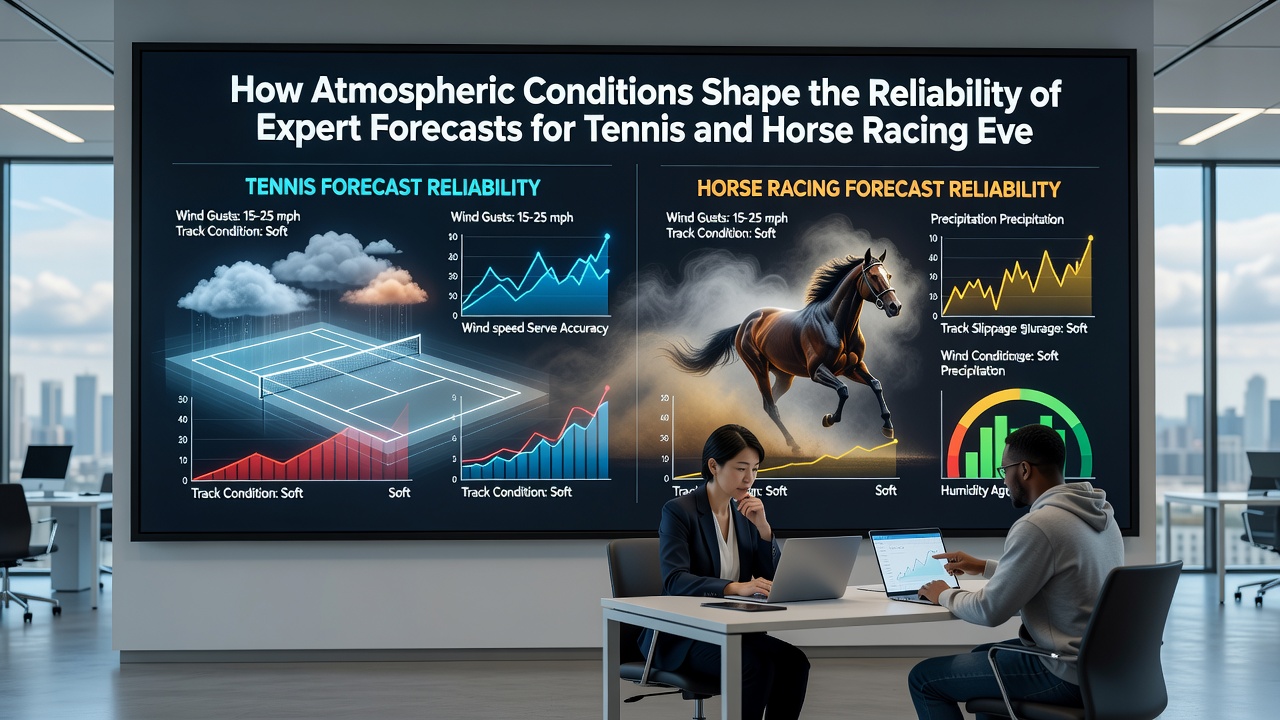
Expert forecasters integrate meteorological inputs from multiple sources to refine projections, using ensemble models that weigh atmospheric variables against historical performance databases. One study from Environment and Climate Change Canada examined how dew point variations correlate with rally lengths in professional matches, revealing consistent patterns that allow refined probability estimates when humidity crosses specific thresholds.
Similar approaches appear in racing analytics, where teams combine radar precipitation forecasts with soil moisture sensors to predict going descriptions hours in advance. These layered inputs improve reliability compared with models that omit atmospheric layers, although residual uncertainty remains when microclimates around specific venues deviate from regional readings.
Regional Examples and Seasonal Patterns
European racing circuits experience pronounced effects from Atlantic weather systems that deliver rapid rain bands, while Australian venues contend with heat and dust that alter both equine respiration and surface grip. Observers note that forecasters who incorporate localized station data achieve tighter confidence intervals around predicted margins than those relying solely on broad-scale forecasts.
Tennis events in North America during shoulder seasons encounter comparable challenges when lake-effect moisture or frontal passages create sudden wind shifts that models initially underestimate. Data-sharing agreements between national weather services and sports governing bodies have increased the granularity of inputs available to analysts, supporting more stable projections across extended tournaments.
Conclusion
Atmospheric conditions remain a central determinant of forecast reliability in tennis and horse racing because they modify equipment behavior, surface characteristics, and physiological demands in quantifiable ways. Continued refinement of environmental monitoring networks and integration of venue-specific sensors support incremental gains in predictive accuracy, particularly during transitional periods such as September 2026 when seasonal variability peaks. Organizations including teh Australian Bureau of Meteorology and the National Oceanic and Atmospheric Administration continue to supply the foundational datasets that underpin these improvements across both sports.